Cultivating a Greener Cart: Your Guide to Conscious Grocery Habits
On August 11, 2023 by Kevin
The grocery store: a weekly battlefield for our wallets and, increasingly, for the health of our planet. We often think of sustainability as grand gestures – solar panels, electric cars, massive recycling drives. But what if I told you that one of the most impactful changes you can make begins with a simple trip down the produce aisle? It’s true. Adopting Tips for sustainable grocery shopping habits isn’t about deprivation; it’s about mindful choices that ripple outwards, creating a more vibrant future for all of us. Forget the idea that eco-friendly shopping is a chore or a costly endeavor. In reality, it’s often about being smarter, more organized, and more intentional.
Why Does Your Grocery Basket Matter So Much?
It’s easy to overlook the environmental footprint of our daily purchases. However, the food industry, from farm to fork, is a significant contributor to greenhouse gas emissions, water consumption, and waste generation. Every item we toss into our cart has a story – one that often involves land use, transportation, packaging, and energy. By being more aware of these connections, we can transform our shopping routines from passive consumption into active participation in environmental stewardship. Think of it as a vote with your dollar, cast for a healthier planet.
Pre-Shopping Prep: The Foundation of Eco-Savvy Aisles
The secret to successful sustainable shopping often lies before you even set foot in the store. A little preparation goes a long way in minimizing impulse buys and reducing waste. This is where many of the most effective Tips for sustainable grocery shopping habits come into play.
#### Master Your Meal Plan and Pantry Audit
What’s Already Lurking? Before making a list, do a thorough inventory of your pantry, fridge, and freezer. You might be surprised by what you already have, preventing duplicate purchases and potential spoilage. This also helps you identify ingredients you need to use up soon.
Plan for Perfection (and Imperfection): Craft a weekly meal plan based on what you have and what’s in season. This not only saves money but also reduces food waste by ensuring you buy only what you need. Be realistic – if you know you’ll be out late one night, plan for leftovers or a quick, simple meal.
The Art of the List: Once you’ve planned, create a detailed shopping list. Stick to it! This is a golden rule for avoiding those tempting, often over-packaged, impulse buys that can derail your sustainable efforts.
#### Embrace the Reusable Revolution
Beyond the Bag: While reusable grocery bags are a no-brainer, think broader. Bring reusable produce bags for fruits and vegetables, eliminating those flimsy plastic ones. Consider reusable containers for bulk bin purchases if your store allows.
The Power of Your Own Container: Some specialty stores or farmers’ markets are increasingly open to customers bringing their own containers for items like deli meats, cheeses, or even cleaning supplies. It’s a small step that significantly cuts down on single-use plastic.
Navigating the Aisles: Smart Choices for a Lighter Footprint
Once you’re armed with your list and your reusable arsenal, it’s time to make conscious decisions about what ends up in your cart. This is where the tangible Tips for sustainable grocery shopping habits come into play.
#### Prioritize Produce: Seasonal and Local Reign Supreme
Follow the Seasons: Opting for produce that’s in season locally is a win-win. It’s typically fresher, tastes better, and has a lower carbon footprint because it requires less energy for storage and transportation.
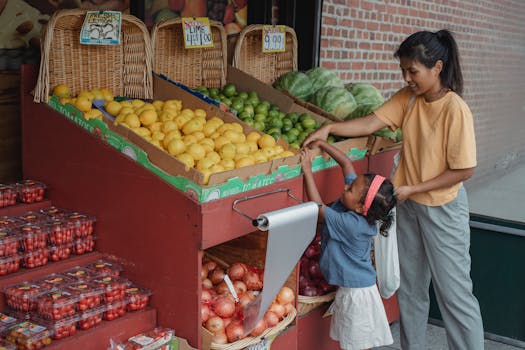
Know Your Neighbors: Explore your local farmers’ markets. Not only do you get incredibly fresh, often organic, produce, but you also support local farmers and reduce the miles your food travels. It’s a fantastic way to connect with your food source.
Embrace “Imperfect” Produce: Don’t shy away from fruits and vegetables that look a little misshapen or bruised. They often taste just as good and are frequently discarded, contributing to food waste. Many stores now offer “ugly produce” boxes at a discount.
#### Decode Packaging: Less is More, and Better Is Best
The Bulk Bin Bonanza: Whenever possible, buy items from bulk bins – grains, nuts, dried fruits, spices, even cleaning products. Bring your own reusable bags or containers to fill, drastically cutting down on individual packaging waste.
Choose Wisely: When packaged goods are unavoidable, look for items with minimal packaging, or packaging made from recycled materials. Opt for glass, paper, or cardboard over plastic whenever feasible.
Avoid the “Convenience Trap”: Pre-cut fruits, individually wrapped snacks, and single-serving meals often come with excessive packaging and a higher price tag. While convenient, they’re usually less sustainable.
#### Rethink Your Protein: Plant-Powered and Mindful Meat Choices
The Veggie Vault: Incorporating more plant-based meals is one of the most impactful Tips for sustainable grocery shopping habits you can adopt. Lentils, beans, tofu, and tempeh are not only nutritious and affordable but also have a significantly lower environmental impact than traditional meat production.
If You Eat Meat, Choose Mindfully: When purchasing meat, poultry, or fish, look for ethically sourced, grass-fed, or sustainably farmed options. These often have better animal welfare standards and can be better for the environment. Consider smaller portions or less frequent consumption.
Beyond the Purchase: Reducing Waste at Home
Your sustainable shopping journey doesn’t end at the checkout. How you store and use your groceries is equally crucial.
#### Smart Storage for Longevity
Know Your Greens: Different fruits and vegetables have different storage needs. Learn which items benefit from refrigeration, which prefer to be at room temperature, and which should be stored separately (like apples and bananas, which release ethylene gas that can ripen other produce too quickly).
Revive and Reuse: Wilted greens can often be revived in an ice bath. Stale bread can become croutons or breadcrumbs. Vegetable scraps can form the base of a delicious homemade stock.
#### Compost for a Circular System
The Final Frontier: For unavoidable food scraps, consider composting. Whether you have a backyard composter, use a local municipal program, or even a small worm bin, composting diverts waste from landfills and creates nutrient-rich soil. It’s a powerful closing loop in your sustainable efforts.
Final Thoughts: Your Daily Impact Matters
Embracing Tips for sustainable grocery shopping habits isn’t about achieving perfection overnight. It’s about progress, intention, and recognizing that every small, conscious choice we make contributes to a larger movement. By integrating these practices into our routines, we not only lessen our individual environmental footprint but also send a clear message to retailers and producers about the kind of future we want to see. So, the next time you reach for that item, pause for a moment. Ask yourself: is this the most sustainable choice? Your cart, your community, and your planet will thank you for it.
Leave a Reply
You must be logged in to post a comment.